Nyhet
Students and Power in Turkey

While the Republic of Turkey was founded in 1923, the first more or less free elections were not held until 1950. The ruling party up until that time, the CHP (Republican People's Party), lost the election to the only opposition party, the Democrat Party (DP). While the CHP represented the statist and bureaucratic and ideologically secular faction within the Turkish ruling class, the DP represented private enterprises and ideologically speaking a more conservative and more or less openly Islamic faction. While the DP did accomplish some economic liberalization and legal democratization at the beginning of their rule, by the end of the 1950 the dire economic situation led to social unrest. The DP in turn used oppressive measures against the opposition. By censoring newspapers, firing judges and passing anti-secular laws, the DP caused upstir within society and especially among students.
On May 5 1960, a huge demonstration against the government was organized by students. Three weeks after this demonstration, the army staged a coup d’état. This shows how influential students were in Turkish politics. Military coups generally search for a support from the society. During the protests, student-army solidarity was obvious and student protests served as a basis for the coup’s legitimacy among society. During the 1960s the student movement evolved and became even more lively. The main demands were independent universities and the right to participate in universities’ decision-making mechanisms. To achieve these demands, many boycotts were organized and most of the students joined these boycotts. The student organizations also cooperated with other democratic movements around the world, and were informed about Cuban revolutionaries and the Vietnamese resistance against the US attack. The Middle East Technical University (METU) in Ankara was one of the most politically active universities. Left-wing oriented students were challenging the right-wing government and displaying an anti-imperialist stance. Robert Comer was a former military assistance command in Vietnam, appointed as the US ambassador to Turkey in 1968. Because of his controversial past in Vietnam, students set his car on fire when he visited the METU campus in 1969. This was a historical moment in Turkey, showing students’ reactions to the Vietnam War and US imperialism. In 1971, another coup d’état was carried out by the army. This time, university students started to challenge the ensuing state of emergency.
The latter half of the 1970s must be considered as one of the darkest eras of Turkey’s history. A civil war-like atmosphere, including unsolved murders and street fights between left and right heavily affected students. Politicized students were demanding a socialist revolution, while the world was on the verge of transitioning to a new structure of capitalism called neoliberalism. Margaret Thatcher in the UK and Ronald Reagan in the US took the lead in implementing neoliberal policies. In Turkey, strong worker unions did not allow politicians to implement these anti-worker policies. The 1980 coup d’état was organized to implement these regulations by force. There is a claim implying CIA support for the coup (after the coup, CIA’s former Turkey chief Paul Henze stated “our boys did” to the then president Jimmy Carter (https://www.theguardian.com/commentisfree/2016/jul/17/turkey-children-coup). As a result of the coup, the student movement along with all other civil opposition forces were brutally oppressed. Many students were tortured, jailed and murdered by the junta. This constituted a rupture in the proud history of the student movement. One of the first measures of the junta was to establish the Council of Higher Education (CoHE) to create full control of all the universities in the country. This council intervenes in a wide range of activities from hiring university personnel to picking the rector for the university. The CoHE regulates students’ activities within universities as well. Distributing leaflets on university campus constituted a reason for suspension from the school. Established November 6th 1982, the CoHE is still the main target of student movements in their political quest. Every student involved in student movements in Turkey is familiar with November 6th, because of the yearly protests mostly held in the capital city of Ankara.
The effects of 1980 coup have been long lasting for the student movement. Genuine activism started again at the beginning of the 1990s, mostly focused on attacking the CoHE and tuition fees. Plans for a 300% increase in tuition fees in 1995 sparked broad democratic protests. In February 1996, several students opened a banner reading “No Tuition Fees” in the parliament. Tortured and then jailed for three years, the students had chanted “the right for education can’t be seized”. That year’s CoHE protest was harshly attacked by the police. It was the biggest student protest after 1980. Many of today's leading left-wing and democratic political figures were first politicized in the student movement in the 1990s.
The student movement in Turkey exerted political power not only through political protests but also by creating a free speech environment for aspiring politicians. Students have always participated in political debates in the country.
In 2002, the Justice and Development Party (AKP) came to the power. At the beginning, as a “Islamic-democratic party”, the AKP issued the release of many jailed students and did not allow the police to attack student protests. That “honeymoon” did not last long and as the students started to protest anti-scientific and neo-liberal higher education policies of the government, police escalated their response. Nevertheless, the long-term anti-tuition fee movement achieved its aim and the government abolished the tuition fees. It was a significant achievement for the student movement, but the government kept attacking higher education institutions by demeaning scientific practices, academic freedom and student’s participation in the decision-making mechanisms. The students' motto was “equal, free, scientific and native language education”. Before the 2016 coup attempt the AKP government was already suppressing the student movement as a significant opposition group, but genuine madness unfurled after the failed coup attempt. Being “used to” coups, students and other opposition forces experienced adverse effects of an unsuccessful coup attempt for the first time. Increasing his power via the state of emergency laws, Turkey’s president Recep Tayyip Erdoğan gives no space to any attempt at opposition. Many of the academics who criticized the brutal attacks against Kurds have been dismissed from universities. Oppositional students are in jail in significant numbers. While I am writing these words, many students including one of my friends are taken into custody because of their postings on social media criticizing the Turkish states attack on Afrin and calling for peace. All the rectors at the universities are assigned directly by Erdoğan. Times might be dark, but the student movement has survived through darker times and it will also persist through the Erdoğan regime.
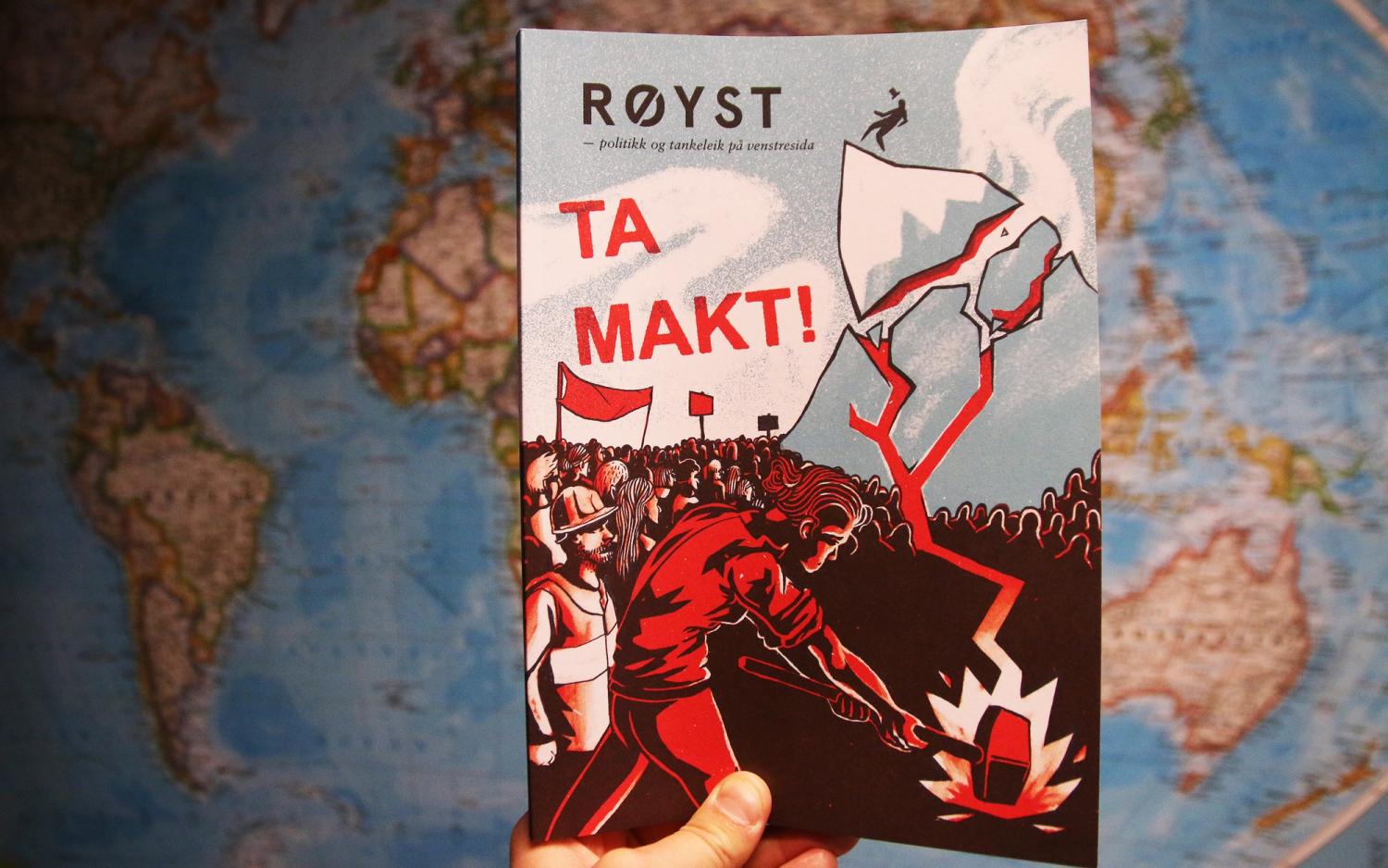
This text was originally published in Røyst #9, 2018. www.røyst.no
Nyheter som engasjerer i kampen for utdanningsrettferdighet


Nyhet
Reisebrev fra Kautokeino
Dagene i Kautokeino ga oss en påminnelse om at utdanning handler om mer enn pensum og læreplaner. Det handler også om språk, identitet og retten til å definere egen kunnskap og egne historier.

Nyhet
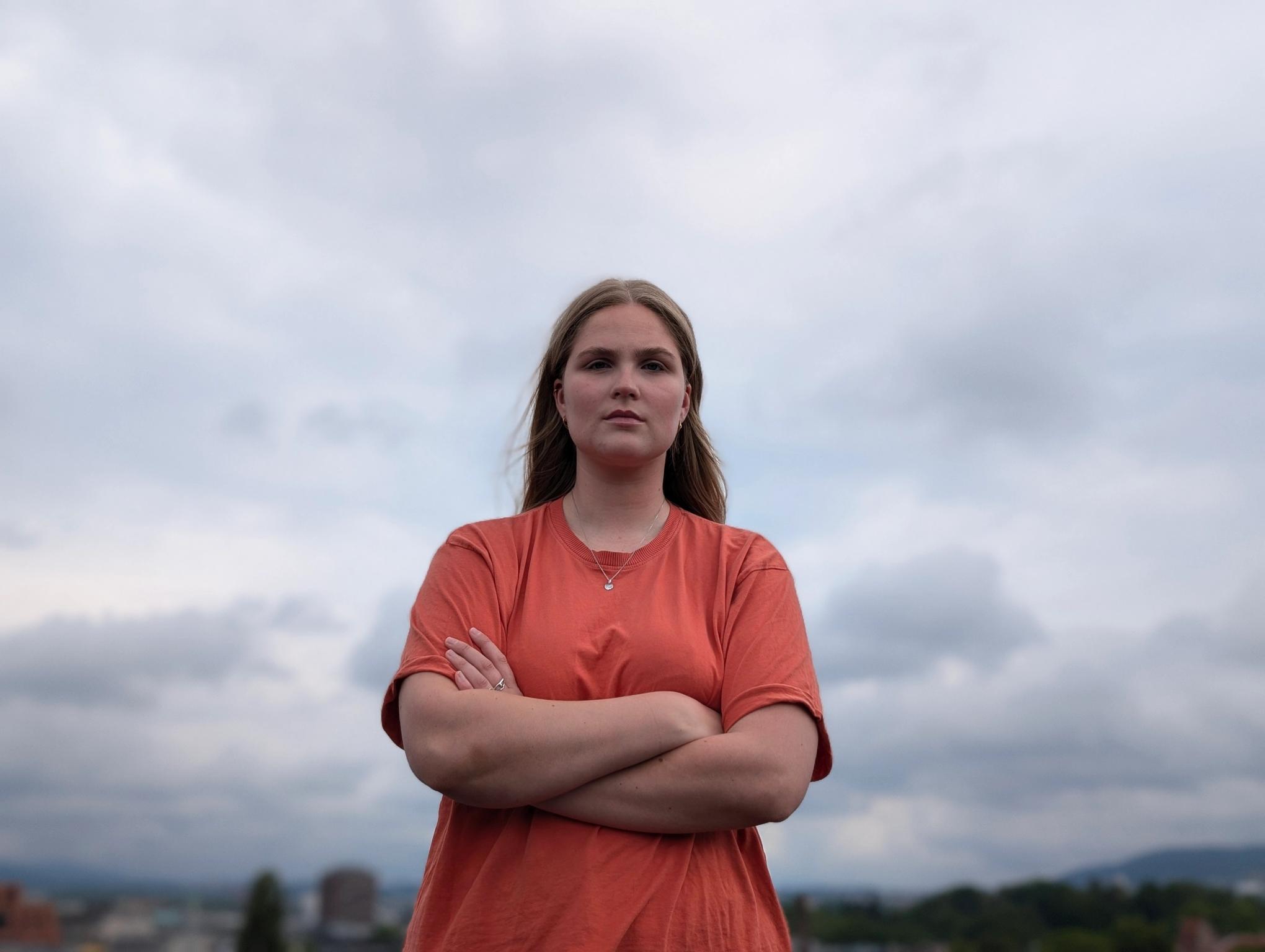
From Pretoria to Oslo to Chiang Mai
My Experience as a NOREC Research Exchange Participant.

Nyhet
Arbeiderpartiet raserer norsk utdanningsbistand
Regjeringen sier at «arbeid for alle» skal være jobb nummer én i utviklingspolitikken. Samtidig fortsetter Arbeiderpartiet å kutte i støtten til utdanning, en av de viktigste forutsetningene for både arbeid og utvikling.

Nyhet
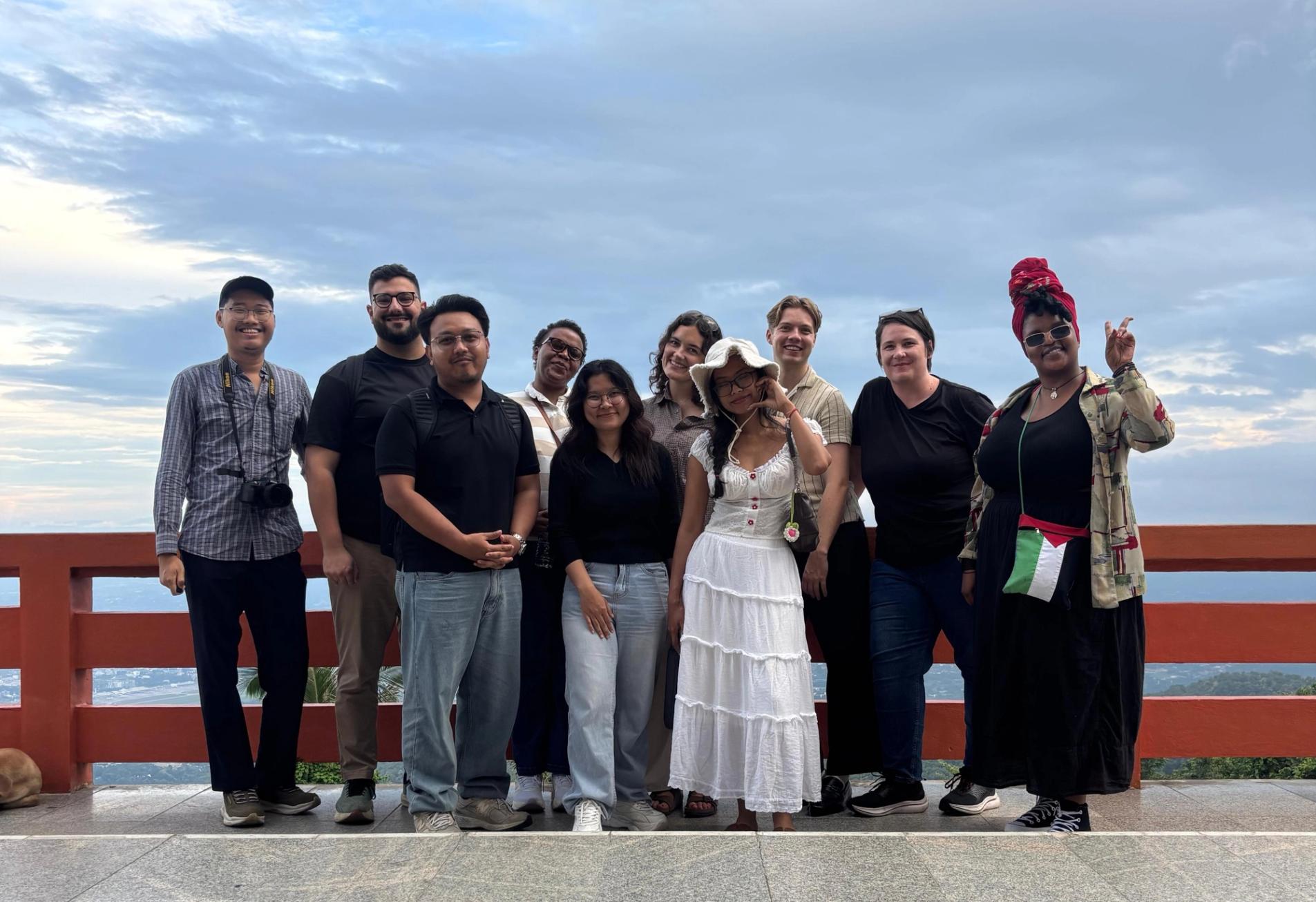
Utveksling for unge forskere: Kampen mot antirettighetsbevegelser
SAIH søker to unge forskere med interesse for sosial rettferdighet og påvirkningsarbeid til et ettårig internasjonalt utvekslingsprosjekt i Norge, Sør-Afrika og Thailand. Søknadsfrist: 8. november.

Nyhet
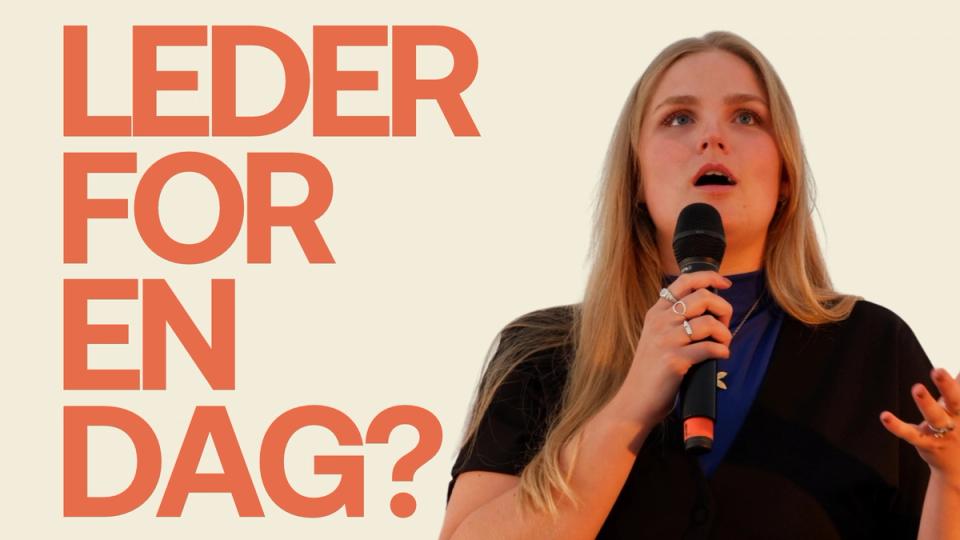
Leder i SAIH for en dag
Har du lyst til å teste hvordan det er å lede en organisasjon, møte politikere og være med på å påvirke saker som betyr noe? På OD-dagen søker vi en elev i videregående skole som får ta over som leder i SAIH for en dag.

Nyhet
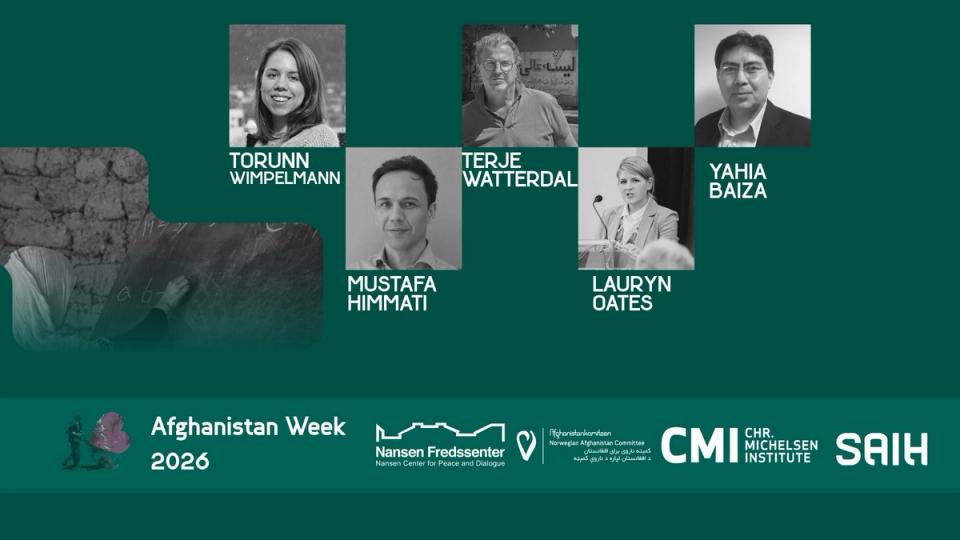
Afghanistanuka 2026: Hvordan holde høyere utdanning i live i Afghanistan?
Som en del av Afghanistan Uka 2026 inviterer SAIH og Afghanistankomiteen til et seminar om hvordan høyere utdanning kan holdes i live for kvinner i Afghanistan. Bli med på Kulturhuset 28. oktober, 10:30-12:00. Meld deg på her.