Nyhet
“Imagined futures - Student leadership in a time of AIDS”
Declaration of Commitment, Konferanserapporten og Mary Crewes innlegg kan lastes ned til høyre.Imagined Futures, by Ms Mary CreweIn 1999, in establishing the CSA and the university based response to HIV, the question that was relevant was how to design and AIDS programme to address the needs of a large student body. The need for such an intervention was both moral (i.e. about how to create a model of HIV prevention, care and support at a university) and economic (i.e. how to create professionals who are able to understand about themselves and about HIV in order to make an impact in larger society once they have left the institution). I think we have managed to achieve the economic imperative more than the moral imperative, although this is debatable.
This led to the idea of “imagined futures”; it was possible, and remains possible, to imagine the future in two ways:
The view of Africa as a disaster – a view that is shared by North America and Europe. The continent is seen as a disaster and any analysis is a “deficit” analysis that examines the problems, lack of resources and which sees outside agencies such as the World Bank and International Monetary Fund as having the answers to the problems. This view has been exacerbated by the AIDS epidemic. The view of AIDS as providing an opportunity to Africa, which, without negating the trauma that AIDS is causing, looks at the challenges and focuses on hope.
An imagined future is a challenge to the status quo and that it requires five things:
A critical mind that constantly challenges taking things for granted. This means that, when told that “this is how it has always been done”, the response is “why” rather than accept that is how it is; for example, the Suffragettes challenged the notion only men should be allowed to vote despite being told that “this is how it has always been done”. Similarly, in South Africa, Black Sash – comprised of mainly liberal, white middle class women - challenged the Apartheid system. An informed mind that goes beyond the obvious and the uncritical responses to the epidemic. An intellectual curiosity which requires looking for hidden agendas and constantly asking difficult questions. For example, asking about the “war on terror” and whose interests it is serving despite being told it is in the best interests of the world. A vision and optimism Honesty. The HIV epidemic has resulted due to the fact that most people inhabit areas of dishonesty; people are unable to discuss their sexual experiences; about young people and that they are having sex etc.
HIV is the greatest social rupture of our times and in many ways is a reflection of our society; a reflection not just about sexual patterns of behaviour but a reflection of our failure, intellectually, to understand the societies in which we live because we:
Defend what we know; Fear challenges such as opening the debate on race, gender, class and culture; Acquiesce in the fact of authority and defend lies and corruption; Refuse to confront difficult issues; Blame others for example the West, colonialisation, men and women; and We are cautious about stepping outside and being the voice the challenges.
There is a need to confront and challenge various issues such as issues of class, because HIV is a disease of class, not a disease of poverty. This requires us to look at how those in the upper classes are colluding in the epidemic. There is also a need to look at gender and at how African women are portrayed to the world – they are shown as sullen, abused and terrorised – but also as a “rock of the nation” – we need to be open about how we look at gender and patriarchy and realise that we have portrayed men as “evil”, as brutal, criminals and “penetrators”. There is a need to examine to what extent we have allowed culture to collude with the epidemic, and in fact, examine if we know what culture is. Further, we need to examine what parts of “culture” we are prepared to die for. For example, when we say “it is not in my culture” to talk about sex with children, are we saying that we value the culture more than our children? Also, we should acknowledge that very often “culture” is the same as “race”. We acquiesce in the face of authority – we defend lies, corruption and refuse to confront difficult issues, about sexuality, sexual preference, experiences – none of us wants to be the voice that challenges, and is able to stand up and say that what is happening is wrong.
Coming back to “imagined futures”, being at a university, you have a safe and privileged space to create new ideas and ask questions; questions such as how the university mirrors that society, questions about racism and class dispensation in the society, questions about to what extent the university feeds into negative images of culture, notions of stigma, privilege, gender and disability. To what extent do students with HIV have to hide their status, or is the university a place where someone can feel supported by staff and students
I encourage young people to use this time at university – the privileged periods of time - to create, debate and question how to position oneself and accept intellectual challenges. You are privileged; most you will get privileged jobs and the opportunity to deal with HIV and you, as young people, need to grasp this intellectual possibility.
To conclude, dealing with AIDS is dealing with:· ideas· with vision· reflection· hope · possibility
It is a time to think about how we want our world to look post-AIDS. As older people in the future, there is a need to think about how we want the world to look in terms of: honesty, social integrity; care of people, older people; housing; education; and health. Will it look the same, only crumbling? Can you think beyond the obvious and imagine a very different picture. Use your wisdom and leadership to inspire others.
Nyheter som engasjerer i kampen for utdanningsrettferdighet


Nyhet
Reisebrev fra Kautokeino
Dagene i Kautokeino ga oss en påminnelse om at utdanning handler om mer enn pensum og læreplaner. Det handler også om språk, identitet og retten til å definere egen kunnskap og egne historier.

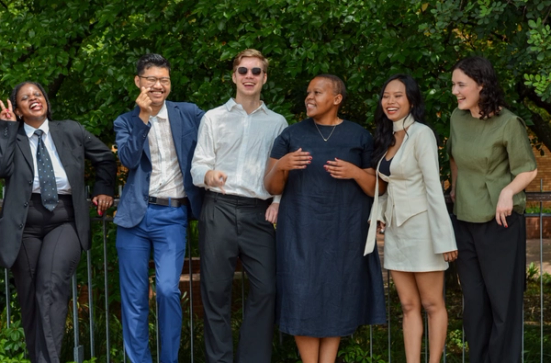
Nyhet
From Pretoria to Oslo to Chiang Mai
My Experience as a NOREC Research Exchange Participant.


Nyhet
Arbeiderpartiet raserer norsk utdanningsbistand
Regjeringen sier at «arbeid for alle» skal være jobb nummer én i utviklingspolitikken. Samtidig fortsetter Arbeiderpartiet å kutte i støtten til utdanning, en av de viktigste forutsetningene for både arbeid og utvikling.

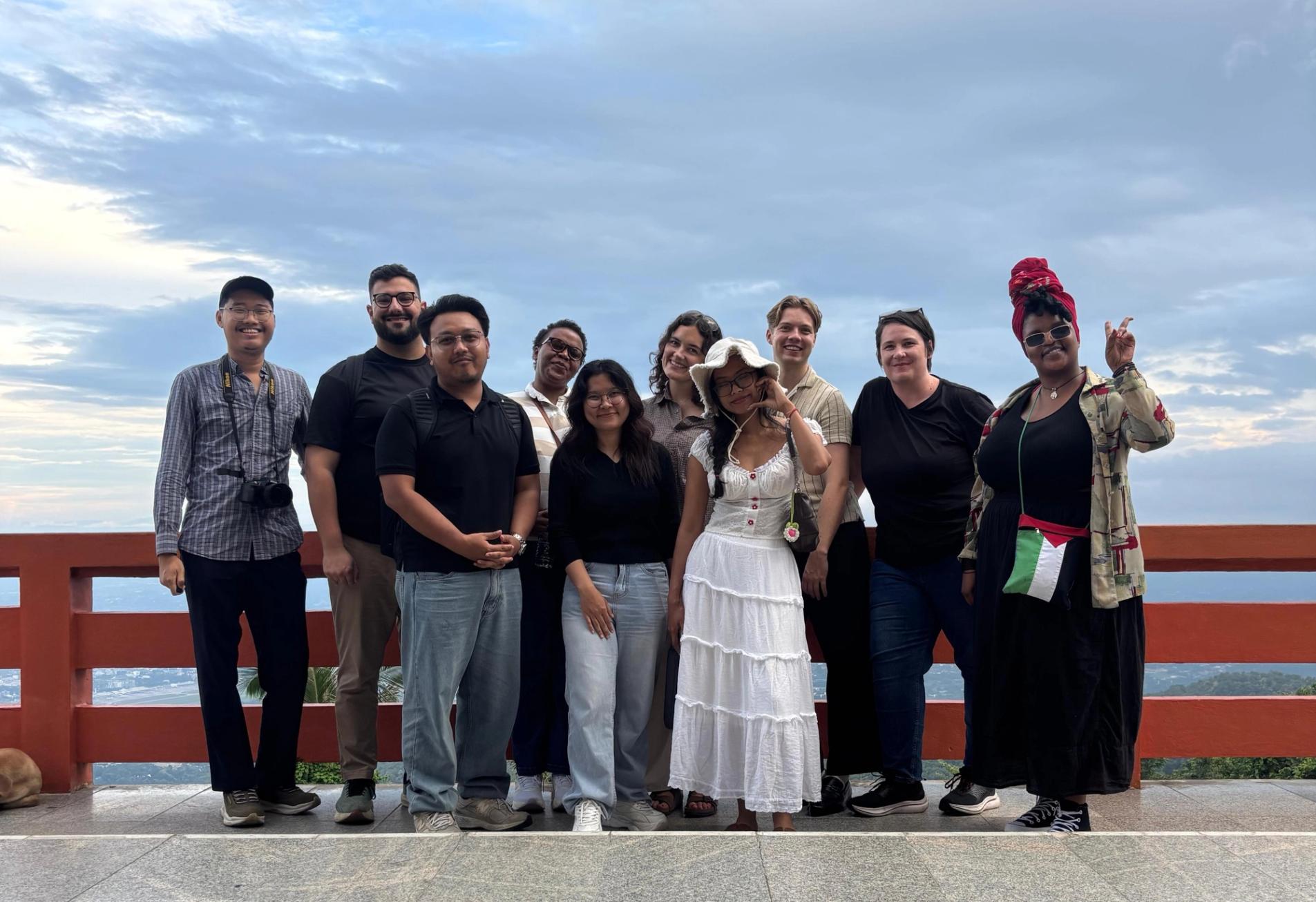
Nyhet
Utveksling for unge forskere: Kampen mot antirettighetsbevegelser
SAIH søker to unge forskere med interesse for sosial rettferdighet og påvirkningsarbeid til et ettårig internasjonalt utvekslingsprosjekt i Norge, Sør-Afrika og Thailand. Søknadsfrist: 8. november.

Nyhet
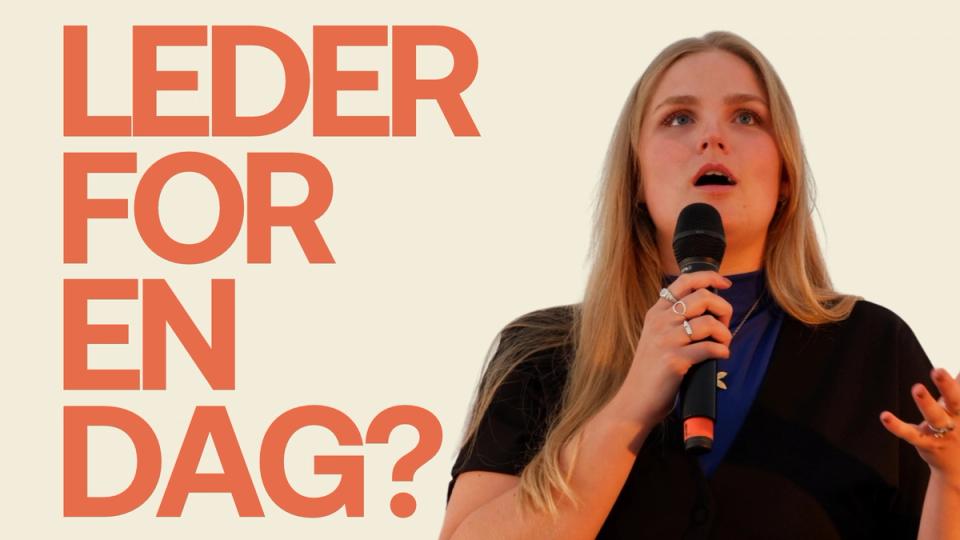
Leder i SAIH for en dag
Har du lyst til å teste hvordan det er å lede en organisasjon, møte politikere og være med på å påvirke saker som betyr noe? På OD-dagen søker vi en elev i videregående skole som får ta over som leder i SAIH for en dag.

Nyhet
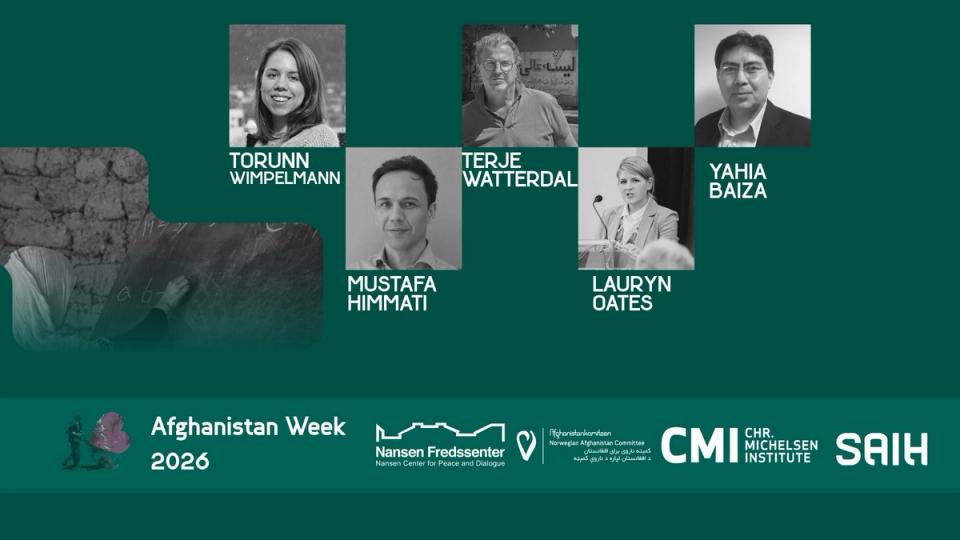
Afghanistanuka 2026: Hvordan holde høyere utdanning i live i Afghanistan?
Som en del av Afghanistan Uka 2026 inviterer SAIH og Afghanistankomiteen til et seminar om hvordan høyere utdanning kan holdes i live for kvinner i Afghanistan. Bli med på Kulturhuset 28. oktober, 10:30-12:00. Meld deg på her.