Nyhet
A different picture
1) What is your opinion of how the south is portrayed in the north? To what extent do you believe that this portrayal matters to the people of the south? Do you think SAIH’s arguments are valid?
The South has been portrayed negatively in the North, and this portrayal of the south is not justified. The South is usually portrayed as a place with never ending war, high levels of poverty, disease, crime, unemployment and violence. With close reference to Zimbabwe that is mostly affected by this, I present to you a different picture of the South.Zimbabwe is a very peaceful country that is filled with lots of green vegetation countrywide. The country is enveloped with tall mopane trees and other types of trees that give the country an evergreen colour annually. In addition the country has a lovely climate with some regions being cooler than others. The natural environment also acts as a home for a variety of animals. This is surely a site not to be missed. Victoria Falls that is one of the Seven Wonders of the World is found in Zimbabwe. The great Inyanga Mountains are a must see view when in Zimbabwe. The cool weather and the soft chilly breeze will escort you as you venture into the awesome mountain climb in the Manicaland.
When it comes to traveling, a wide range of transport services is offered. One has an option of traveling using road, rail and air. In addition one can travel using public or private facilities and for the tourists luxury coaches are provided to improve the luxury of their visit as they travel. The Zimbabwe Tourism Association took part in the 2007 Tourism exhibition that took place in Spain, in an effort to enhance the North’s knowledge on the South. This exhibit was competitive with most of the countries in the North taking part. This shows that Zimbabwe is noticed at an International level.
To a larger extent the portrayal of the South in the North matters to the people of the South because the people’s values, cultures, tradition, and way of living are being misinterpreted thus making them liable to prejudice. This is not acceptable because the North could learn a lot from the South however due to the negative publicity the South will always be undermined and Development and International aid can actually come to a stand still. For instance the people of Zimbabwe are brought up with strong values and respect for tradition, culture and elders. Therefore one may notice that even during the high inflation periods Zimbabweans are generally hard workers and resilient.The fact of the matter is that SAIH’s arguments are valid and justified because the continued negative publicity of the South by the North will in the long run destroy the possibilities of a better tomorrow for both the South and the North.2) Who is ‘to blame” for this image? The media, aid organizations, academia, all of them or none? How can people in the South best contribute to this change, and what is the responsibility of the people in the North? I would maintain that everyone is to blame. From the media, academia, aid organizations, to the people everyone is to blame. This is simply because that people in the South have relatives, friends, and workmates in the North however no effort is made to preserve the image of the South. Instead everyone stands by as the image of the South is tarnished unjustifiably.As the saying goes “Charity begins at home” the people from the South should come together and form campaigns to fight against the negative portrayal of the South. The academics should write books on the positive things of the South, the media should offer documentaries on the various tourist attractions, game parks, natural environment and the wildlife in the South. The South is a favorite ground for developing quality professionals. Academics come to the South to sharpen their skills and become experts. However they never give back the South their share of the cake. They even identify the cream in the South and make them offers to leave for greener pastures in the North. The people in the North have to lead by example and assist the South to develop and to get to the point were the North is at the moment. The North as the more developed should not be trying to make the South look incapable but should actually set the pace for the South towards achieving development. The North should not only look at the negative aspects but also bring out the riches of the Southern cultures. Generally there is a brain drain from the South to the North. The North benefits from the raw materials from the South however nothing is coming from the North3) How would you say that academics act as agents of change in your local country? Academics actually have a positive influence on the people in the community.
Thus making them major agents of change in the local community or country. The academics in most cases attain the confidence and respect of the community. This is because the community views the academics as a solution to a problem. We can therefore safely say that the academics can bring positive change to a large extent to the community as long as their ideas are not self centered and power greed ideas. The academics have the knowledge and the skills to communicate with both the community and the North. Academics have the capabilities to create linkages between the North and the South. Furthermore academics can articulate issues for the community.
4)What do you think matters the most for students in Norway? What do you think they fight for? What do students in the South learn about the North during their studies?Students in Norway fight for solidarity in their country and equal opportunities for all. They fight for justice and equity in their country. Students in the South can learn that they have to fight for what they believe in and it is only through their efforts that change will eventually be obtained. Henceforth students in the South have been brought up under societal values of respect, obedience and never to argue with anyone. However this has made them to be submissive and have certain fears of political situations. Empowering students to ask for their rights is of importance because they need input on how they can use their education to liberate themselves from all forms of oppression. Undoubtedly there is a strong need for empowerment from grass root levels.
Nyheter som engasjerer i kampen for utdanningsrettferdighet


Nyhet
Reisebrev fra Kautokeino
Dagene i Kautokeino ga oss en påminnelse om at utdanning handler om mer enn pensum og læreplaner. Det handler også om språk, identitet og retten til å definere egen kunnskap og egne historier.

Nyhet
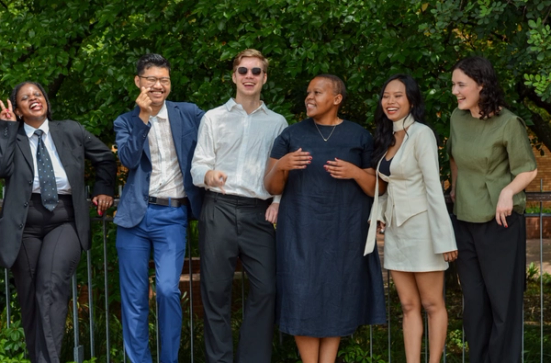
From Pretoria to Oslo to Chiang Mai
My Experience as a NOREC Research Exchange Participant.

Nyhet
Arbeiderpartiet raserer norsk utdanningsbistand
Regjeringen sier at «arbeid for alle» skal være jobb nummer én i utviklingspolitikken. Samtidig fortsetter Arbeiderpartiet å kutte i støtten til utdanning, en av de viktigste forutsetningene for både arbeid og utvikling.

Nyhet
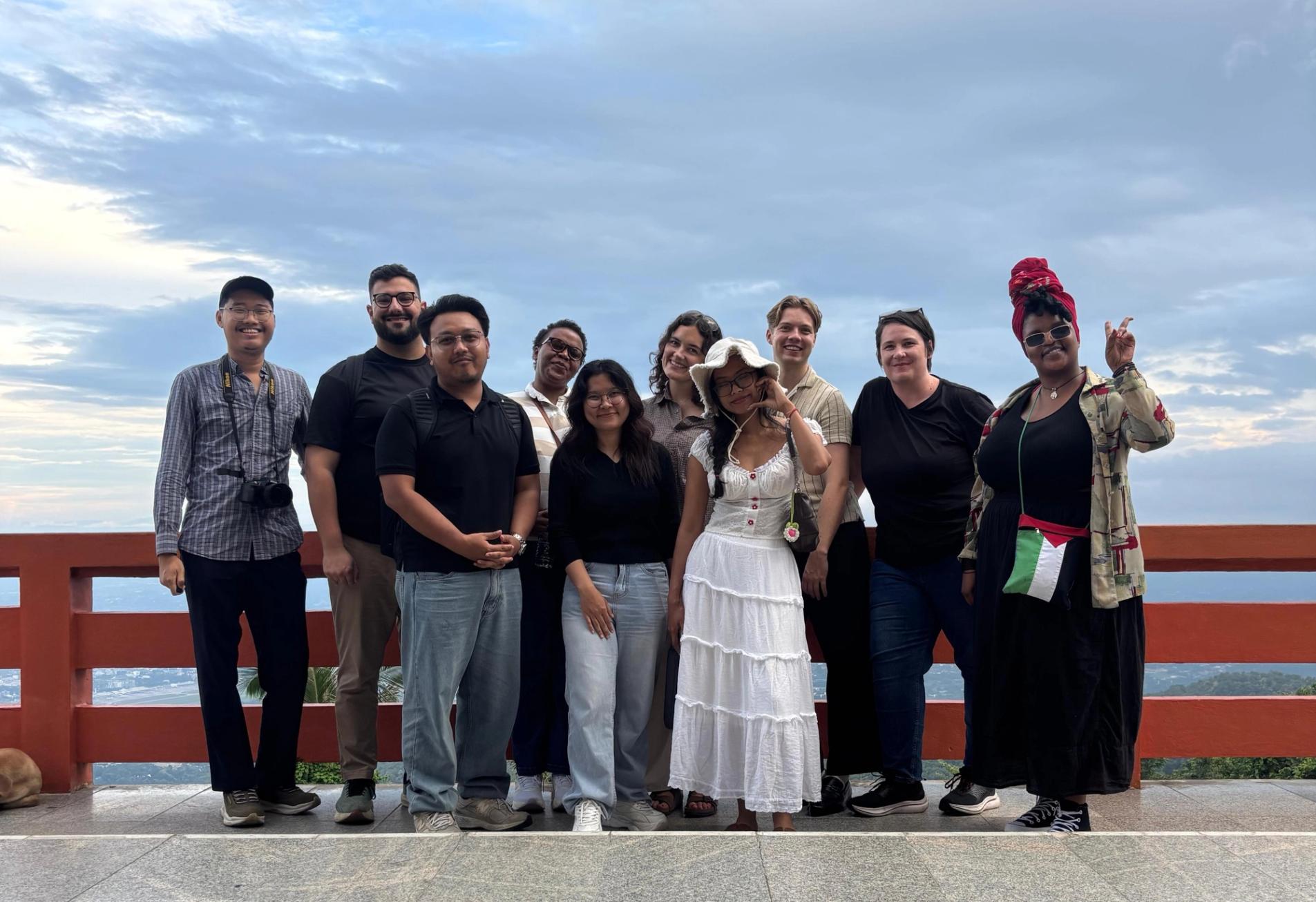
Utveksling for unge forskere: Kampen mot antirettighetsbevegelser
SAIH søker to unge forskere med interesse for sosial rettferdighet og påvirkningsarbeid til et ettårig internasjonalt utvekslingsprosjekt i Norge, Sør-Afrika og Thailand. Søknadsfrist: 8. november.

Nyhet
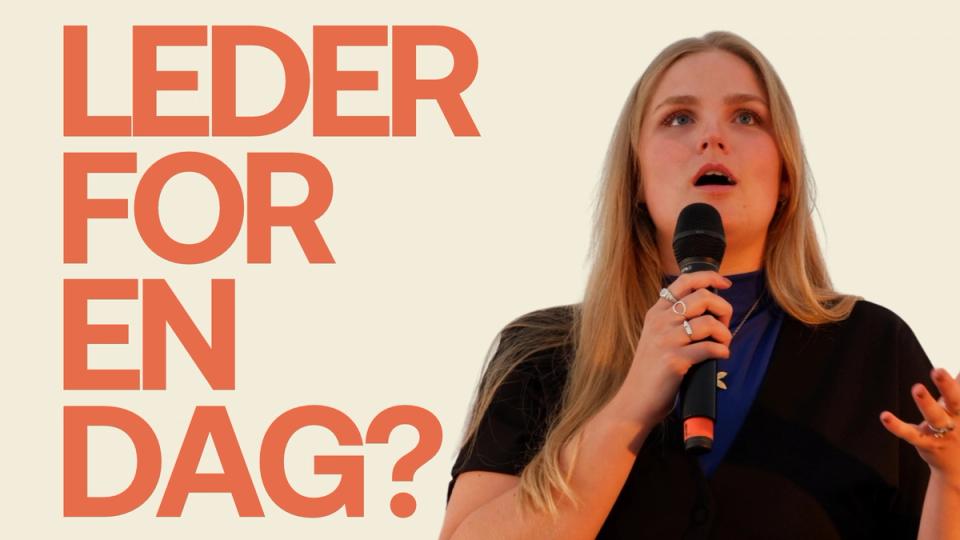
Leder i SAIH for en dag
Har du lyst til å teste hvordan det er å lede en organisasjon, møte politikere og være med på å påvirke saker som betyr noe? På OD-dagen søker vi en elev i videregående skole som får ta over som leder i SAIH for en dag.

Nyhet
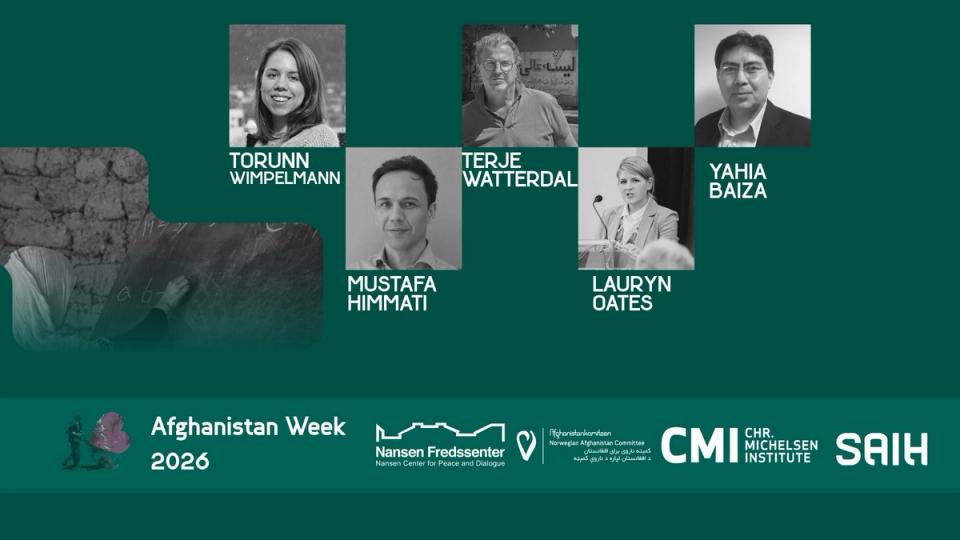
Afghanistanuka 2026: Hvordan holde høyere utdanning i live i Afghanistan?
Som en del av Afghanistan Uka 2026 inviterer SAIH og Afghanistankomiteen til et seminar om hvordan høyere utdanning kan holdes i live for kvinner i Afghanistan. Bli med på Kulturhuset 28. oktober, 10:30-12:00. Meld deg på her.