Nyhet
From Pretoria to Oslo to Chiang Mai

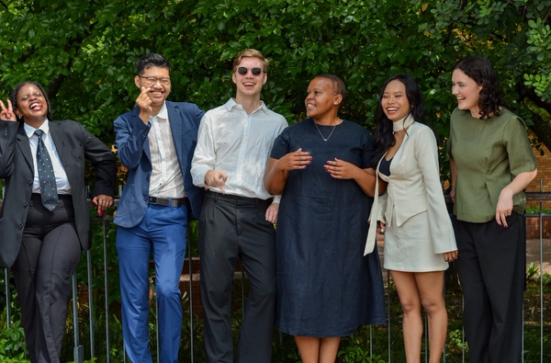
My Experience as a NOREC Research Exchange Participant.
I’m writing this from a cosy apartment in the heart of Chiang Mai, Thailand. The fridge and the air conditioner are humming almost in chorus, and I am sitting at a tiny desk with an iced latte, trying to fit the last nine months of my life into words.
Around this time a year ago, I applied for the Norwegian Agency for Exchange Cooperation (NOREC) Research Exchange Programme, which brings together researchers from South Africa, Norway and Myanmar with the aim of developing research on the anti-rights agenda/movements and their impact on civic space, equality and environmental justice.

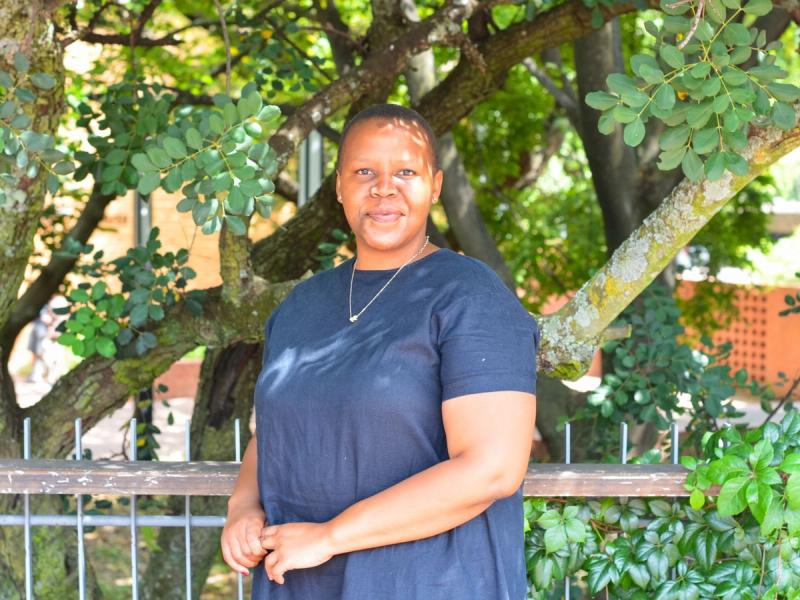
Our research, "Institutional Weakness and Vulnerable Groups in Environmental Crises: Comparing Myanmar, Norway and South Africa," looks at how weak institutions leave vulnerable groups exposed when environmental crises hit. The exchange gave me an opportunity to take part in intercontinental research while travelling to the countries of our partner organisations.
I was selected as one of the participants through our South African partner, the Centre for Sexualities, AIDS and Gender (CSA&G) at the University of Pretoria, and my life has not been the same since.
The best way I know to tell this story is to walk through it the way I lived it, one country at a time.
Starting at home: South Africa
Starting off in South Africa felt like something of a home-ground advantage. Although I come from Zimbabwe, a huge part of my cultural identity is interconnected with South Africa, so I didn't feel like I had much adapting to do at first.
Looking back, I realise that the exchange had begun long before I recognised it. I came to see how important it is to host well and to receive guests with warmth and kindness, because these are the things visitors will remember years after the exchange is done.
...the exchange had begun long before I recognised it.
On a professional note, however, I remember needing a special kind of tenacity for the visa process and the ethical clearance process. The visa process gave me first-hand insight into how unevenly the right to freedom of movement is distributed, and how much international collaboration depends on who is permitted to cross which borders.
The ethics process was a reminder that research is never neutral. It carries a duty to do no harm and to protect the dignity and safety of participants, especially those from marginalised communities.

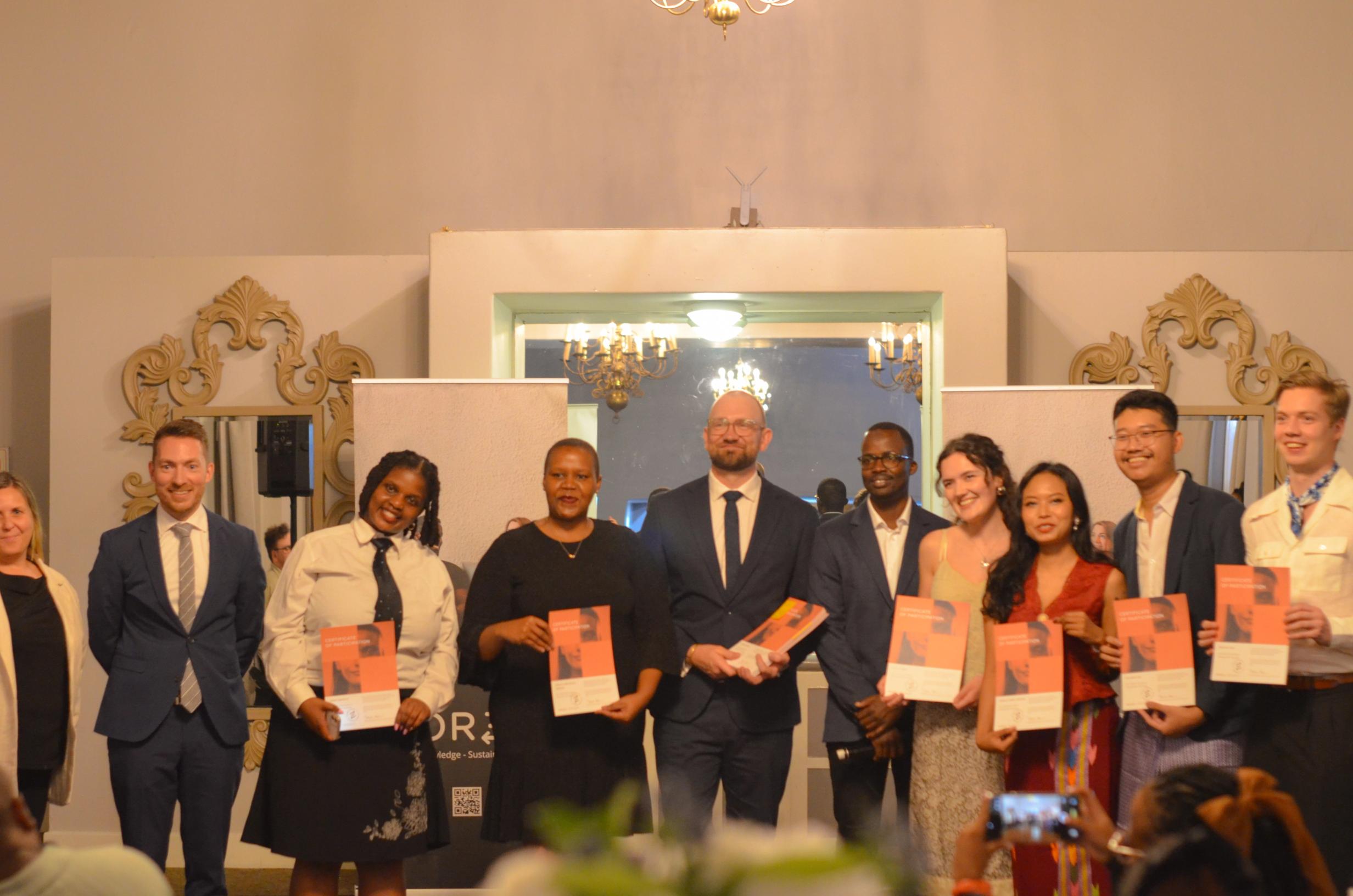
Even though a lot of South African history is familiar to me, I was able to celebrate it through the eyes of my colleagues who were experiencing it for the first time. It reminded me how far the country has come since its constitutional democracy, and how much work is still left to make those rights a lived reality for everyone.
Entering the unknown: Norway
I landed in Norway two days shy of my thirty-fifth birthday, and I'd say that was the best birthday present I have ever received. I'd never travelled to another continent before. Knowing absolutely zero Norwegian, except tusen takk and kanelbolle, I forged into the great unknown with an untamable excitement.

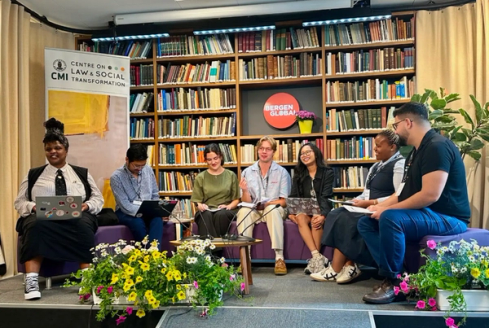
One of my first and major culture shocks was the honour system that exists throughout Norwegian society. From the transport system to the self-checkout grocery aisles, Norwegian design seems to assume that people can be trusted to do the right thing. That trust rests on institutions that are accountable, transparent and responsive, which is exactly what our research asks about when institutions falter.
At SAIH, I felt well received. SAIH's commitment to international solidarity built on equal partnership with organisations in the Global South made my time there feel less like being hosted and more like being welcomed into a shared struggle.
...less like being hosted and more like being welcomed into a shared struggle.
One of the things that stuck with me was the shared understanding of keeping the working environment quiet. It made sense that an organisation committed to education and academic freedom would giving people the space to think. This was brilliantly contrasted with the after-work activities which were full of laughter, witty conversation, good food and even better company.
So, as somebody who has had some experience of Norwegian hospitality, I feel somewhat qualified to dispel this one myth: Norwegians are actually very warm people. They may take some time to 'thaw', but they are very welcoming once you become used to each other.
Still, don't sit too close or make small talk in the metro, or you will be side-eyed.

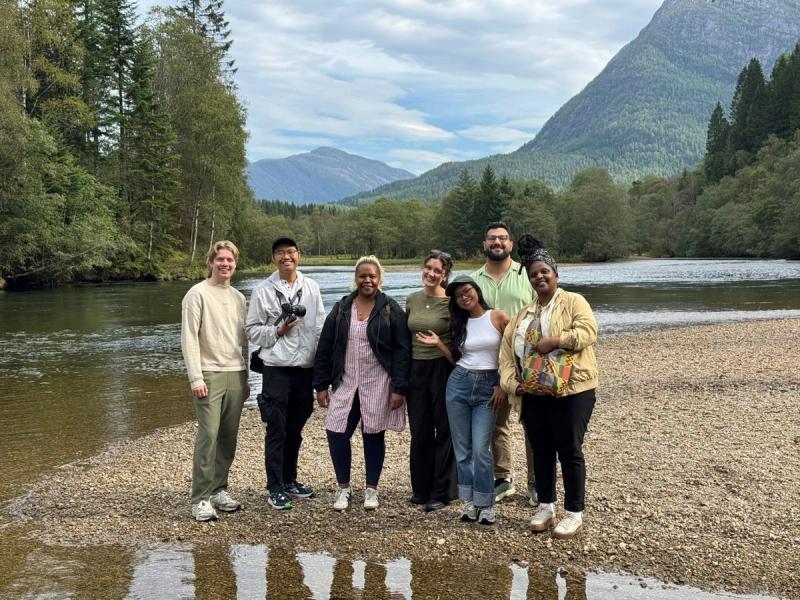
Finding a different rhythm: Thailand
Thailand is the last leg of our 12-month exchange before we return to our host organisations. Here, we have a very different mode and rhythm of working, with a similar kind of sabai-sabai atmosphere that grips you once you enter Thailand.
Unhurriedly, everything gets done.
It is an active reminder that rights-based work is sustained by rest, care and pace; not urgency alone.
I feel a strong sense of fulfilment because a large part of the research project has been completed, but I also feel an odd sadness creeping in about reaching the end of such a formative and expansive journey.
Before moving on, I want to linger a little longer on what this exchange has taught me, and hopefully inspire you to apply for the next exchange cycle.
Taking up space
A lot of how I experienced the programme had to do with how I chose to show up.
To fully tap into what this programme offers, I would say it is critical to remain fiercely committed to growth, to expansion and learning.
I decided very quickly to be okay with the embarrassment of not knowing what to do in a cultural setting I was not used to, and to be slow to get frustrated in the event of honest mistakes.

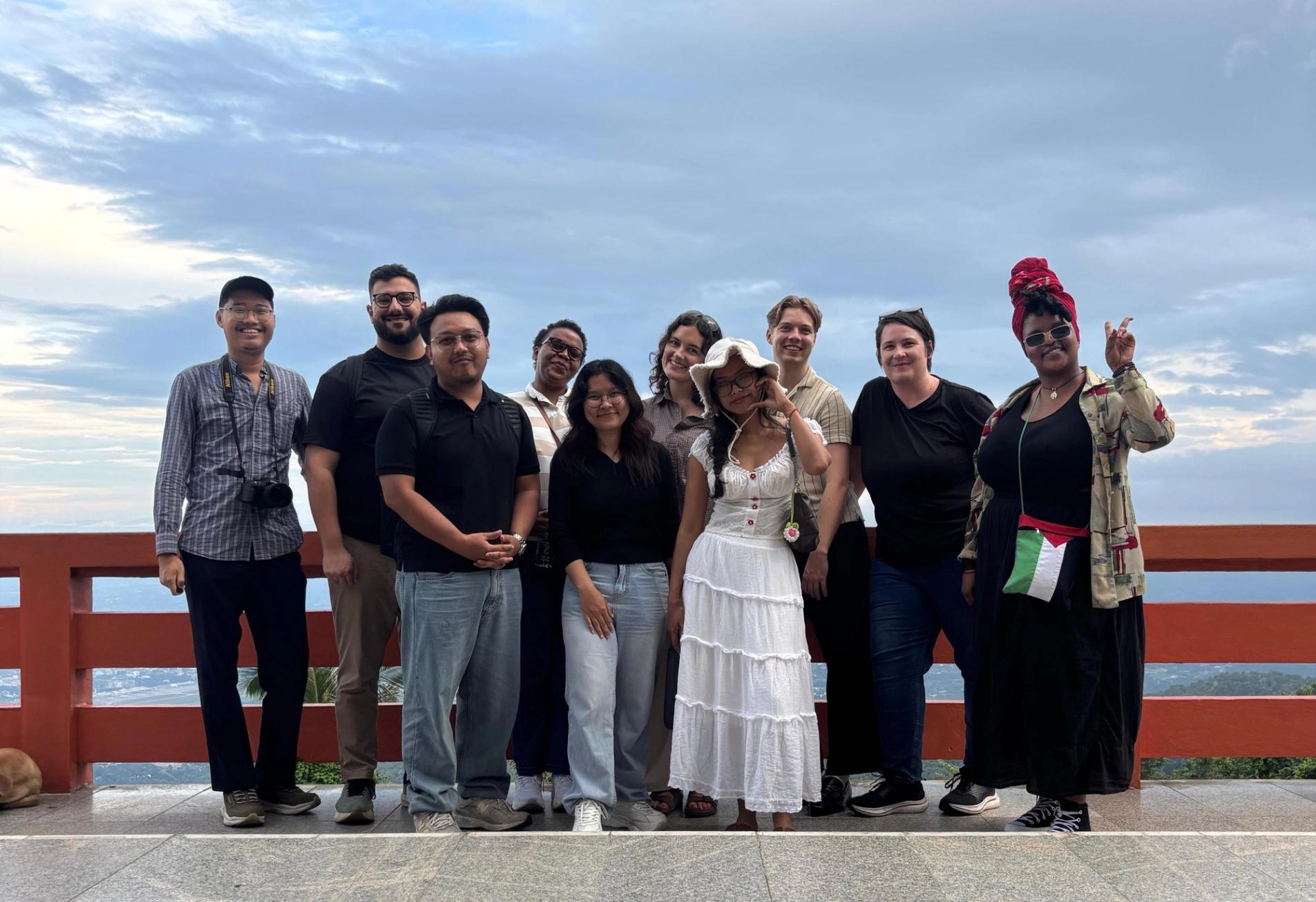
I also had to learn how to walk differently into rooms and be okay to take up space in ways that were new to me, including claiming my right to participate and be heard.
While this was a learning exchange for me, I was never absolved of the responsibility of teaching others who might not see life as I do. That was, and always will be, my honour to carry.
As a researcher from the Global South, I am not only a subject of knowledge but a producer of it.
Sharing that knowledge is part of what makes exchange just. I've always known the importance of shared knowledge and collaboration, but now I hold these ideas with greater consciousness, fully aware of what I have to offer the world around me.
Looking ahead
Looking ahead, I hope to continue research collaborations with international organisations, in service of human rights-based work in civil society.
To anyone considering the next exchange cycle: apply.
You will be stretched, and you will be changed.
The fridge is still humming and my latte has long since melted, but I feel as though I am only just beginning.
Nyheter som engasjerer i kampen for utdanningsrettferdighet

Nyhet
Arbeiderpartiet raserer norsk utdanningsbistand
Regjeringen sier at «arbeid for alle» skal være jobb nummer én i utviklingspolitikken. Samtidig fortsetter Arbeiderpartiet å kutte i støtten til utdanning, en av de viktigste forutsetningene for både arbeid og utvikling.

Nyhet
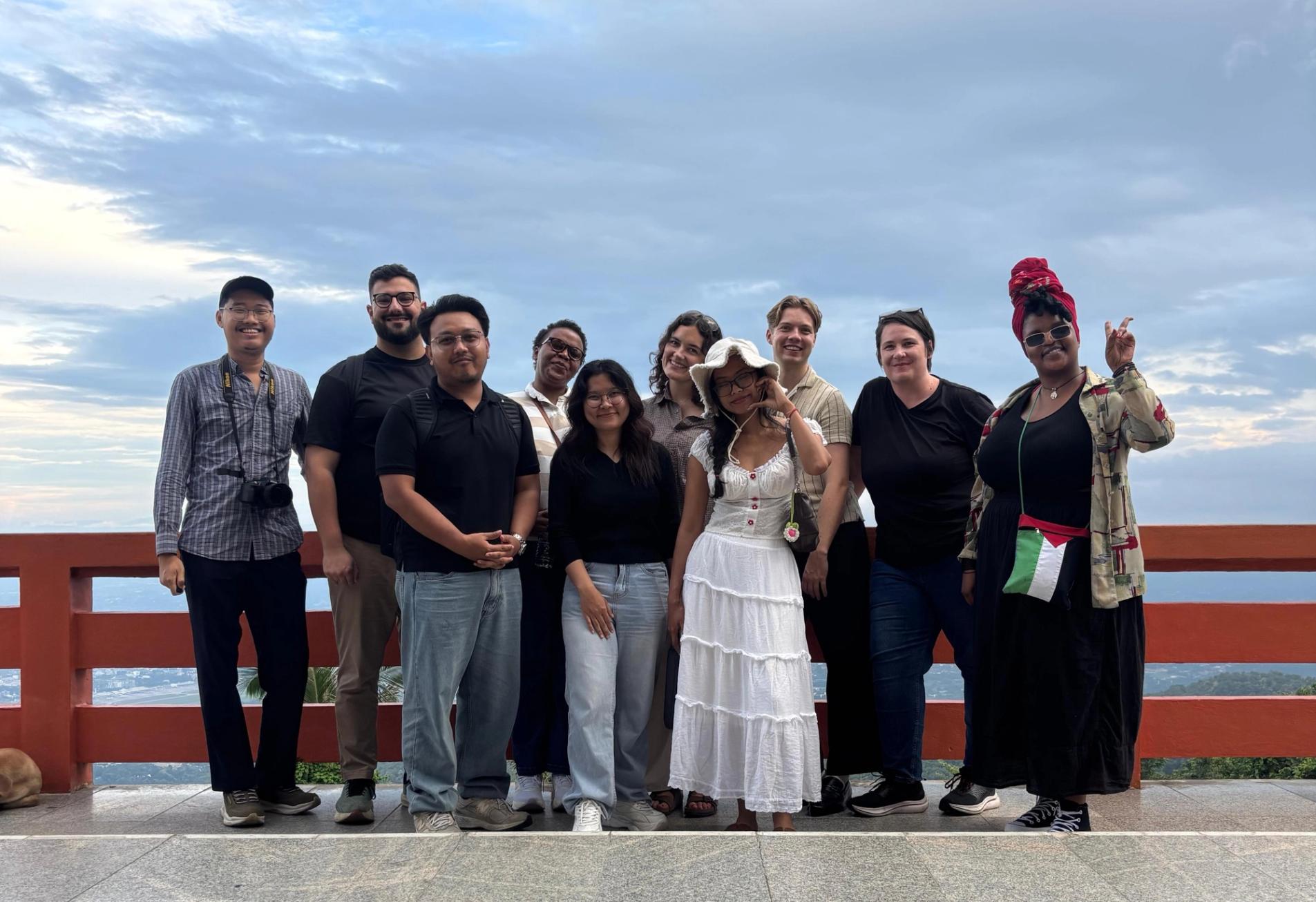
Utveksling for unge forskere: Kampen mot antirettighetsbevegelser
SAIH søker to unge forskere med interesse for sosial rettferdighet og påvirkningsarbeid til et ettårig internasjonalt utvekslingsprosjekt i Norge, Sør-Afrika og Thailand. Søknadsfrist: 8. november.

Nyhet
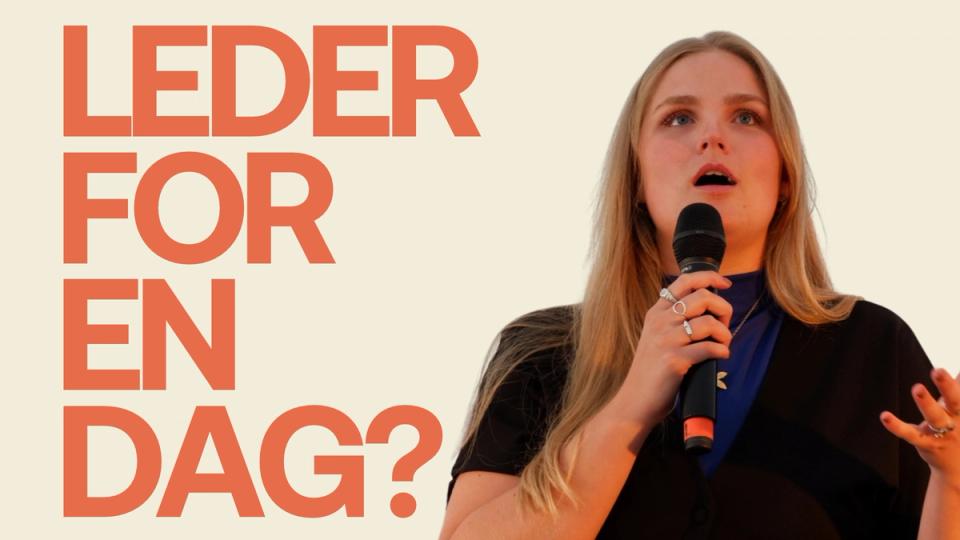
Leder i SAIH for en dag
Har du lyst til å teste hvordan det er å lede en organisasjon, møte politikere og være med på å påvirke saker som betyr noe? På OD-dagen søker vi en elev i videregående skole som får ta over som leder i SAIH for en dag.

Nyhet
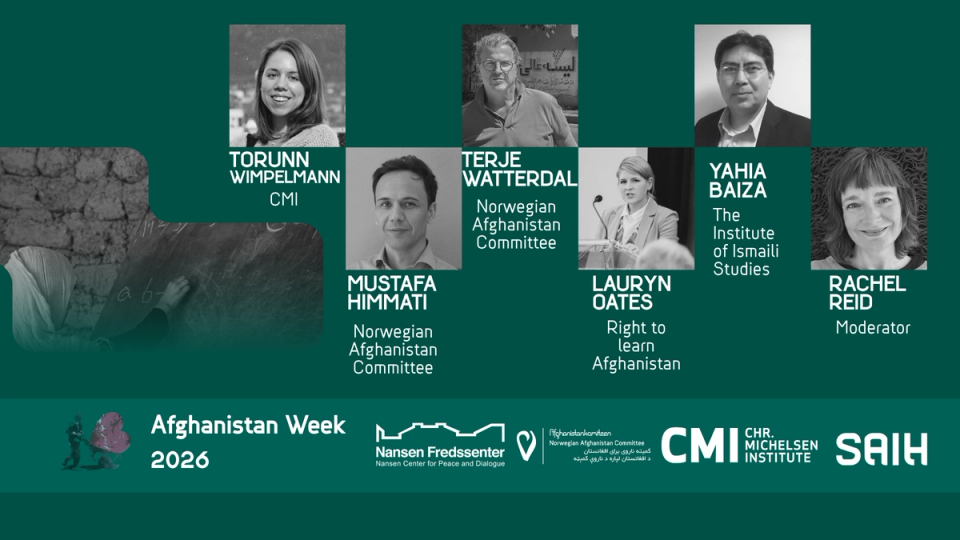
Afghanistanuka 2026: Hvordan holde høyere utdanning i live i Afghanistan?
Som en del av Afghanistan Uka 2026 inviterer SAIH og Afghanistankomiteen til et seminar om hvordan høyere utdanning kan holdes i live for kvinner i Afghanistan. Bli med på Kulturhuset 28. oktober, 10:30-12:00. Meld deg på her.

Nyhet
Ragebait fra KrFU?
En stor del av meg håper nesten det er det, for hvis de faktisk mener hatparagrafen må bort, er det langt mer alvorlig.

Nyhet
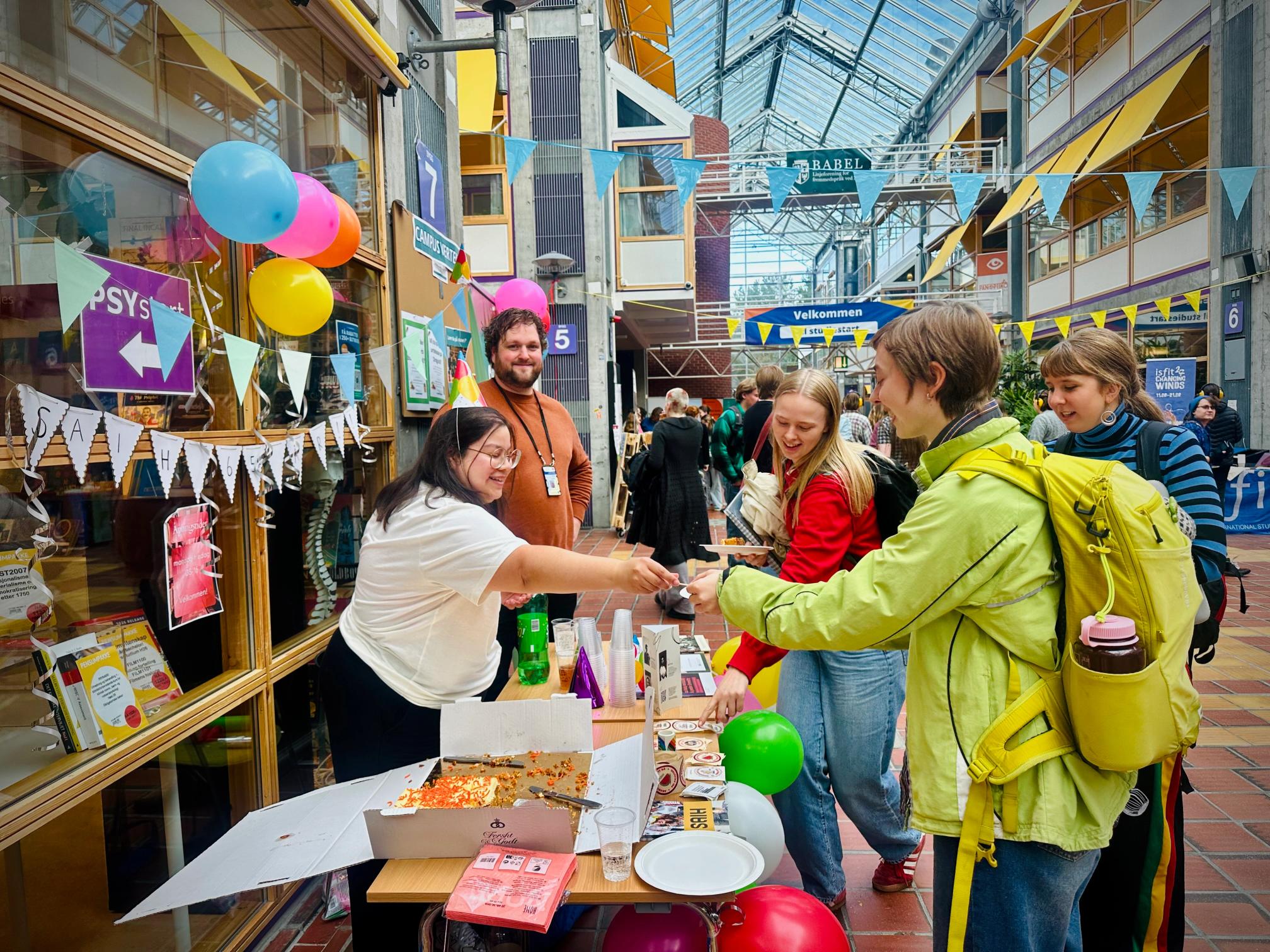
65 år, 17 stopp og en hel masse studentengasjement
Etter to uker på jubileumsturné sitter vi igjen med ett tydelig inntrykk: studentsolidariteten lever i beste velgående.